
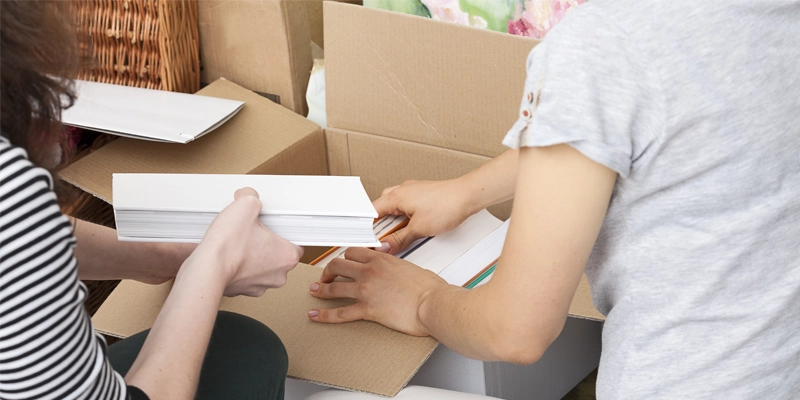
Moving your cherished book collection presents a unique challenge compared to handling fragile items like glassware or artwork. While books are durable, their sheer weight can quickly transform a small box into an unwieldy load. Strategic packing ensures your literary treasures arrive at your new home safely without causing heavy-lifting injuries or damaged spines.
Step 1: Declutter and Sort Your Collection
Before packing a single box, conduct a thorough audit of your library. Moving heavy items increases effort and transport costs, so determine which titles you truly want to keep. Consider donating excess books to local charities, Goodwill stores, or community centers to support those in need while lightning your load.
Step 2: Source Heavy-Duty Packing Supplies
Invest in specialized, small-to-medium-sized “book boxes” made from extra-thick cardboard. Gather soft packing paper, bubble wrap, acid-free tissue paper, and heavy-duty packing tape. Always apply multiple layers of tape along the bottom seams of every box to reinforce the base against heavy loads.
Step 3: Master Proper Packing Techniques
Though books are uniform in shape, how you position them matters:
- Flat Stacking (Recommended): Lay books flat in the carton, placing heavier hardcovers at the bottom and lighter paperbacks on top.
- Upright Packing: If packing books vertically like they sit on a shelf, ensure the spines face inward toward each other to prevent structural damage.
- Avoid Tight Packing: Do not jam books into boxes too tightly, as pressure can warp covers and snap spines.
Step 4: Balance Weight Distribution
Never fill an entire large box with heavy hardcovers. Instead, distribute the weight by mixing heavy volumes with lighter paperbacks or lightweight household items. Keeping boxes small and balanced makes them significantly easier to lift and carry.
Step 5: Wrap Rare and Delicate Books Individually
Safeguard valuable, antique, or sentimental volumes by wrapping them individually in acid-free tissue paper or protective bubble wrap. This extra cushioning prevents cover scuffs, torn dust jackets, and page edge wear during transit.
Step 6: Use Dividers and Fill Void Spaces
Prevent items from shifting inside the box by inserting custom cardboard dividers between stacks. Fill any remaining empty gaps with crumpled packing paper or bubble wrap so the contents remain completely snug and stable.
Step 7: Label Boxes Clearly
Mark every box on multiple sides with “BOOKS, HEAVY” to alert movers to exercise caution when lifting. Include specific genres, categories, or target rooms on the label to streamline the unpacking process at your new home.
Step 8: Secure Placement in the Moving Vehicle
Because book boxes are heavy, place them on the floor of the moving truck rather than stacking them high on top of fragile items. Position them under sturdy furniture, such as dining tables, or wedge them securely between chair legs to prevent tipping during travel.
Step 9: Unpack and Store Vertically
Once settled in your new space, unpack your books and store them vertically on sturdy bookshelves or in archival storage containers. Vertical alignment protects book spines over time and keeps your collection accessible.
Step 10: Enlist Professional Removalists
If relocating an entire library feels overwhelming, consider hiring professional movers. Experienced removalists possess the proper equipment and techniques to handle heavy, high-volume collections safely, protecting both your back and your books.
What aspect of your move would you like to plan next?