

Moving fragile items can feel daunting, but strategic planning and proper technique ensure your most delicate belongings arrive at your new home completely intact. Whether you are relocating across the country or moving just down the street, taking specific precautions prevents the heartbreak of unboxing damaged treasures.

1. Start Early, But Stay Organised
Rushing is the single biggest cause of accidental breakage. Begin your packing process well in advance to give yourself enough time to handle delicate items with care. However, avoid packing so early that you lose track of where things are stored. Maintain a detailed inventory list and clear schedule so you are not frantically searching through sealed boxes on moving day.
2. Invest in Quality Supplies for Packing Fragile Items
Do not skimp on packing materials, the cost of replacing damaged valuables far outweighs the price of quality supplies. Secure high-grade corrugated moving boxes, thick bubble wrap, packing peanuts, unprinted newsprint/packing paper, and heavy-duty packing tape. Inferior tape or weak boxes can give way unexpectedly under weight, leading to preventable drops and damage.
3. Wrap Each Fragile Piece Individually When Packing
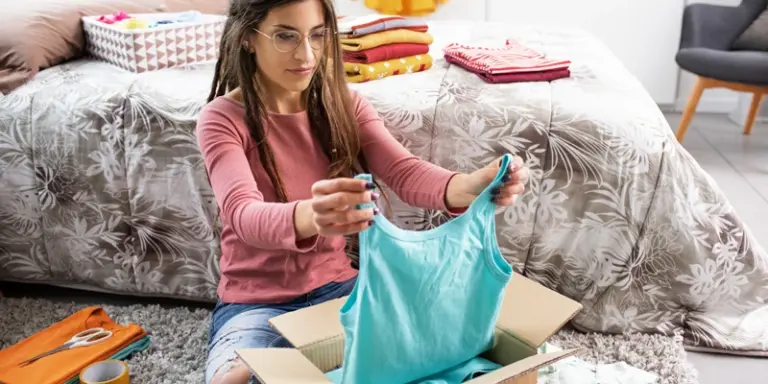
Treat each fragile item with individual care rather than bundling things together. Wrap every piece thoroughly in packing paper first to protect the surface, followed by a layer of bubble wrap for impact resistance. Pay special attention to vulnerable areas, such as stems on glassware or handles on teacups, by providing extra padding around those specific stress points.
4. Choose the Right Boxes for Packing Fragile Glass and China
Avoid flimsy, secondhand cardboard boxes from local grocery or liquor stores, as they often lack structural integrity. Instead, select heavy-duty, specialized moving containers designed for delicate cargo:
- Dish Pack Boxes: Built with extra-thick, double-walled cardboard to protect dishware and stemware.
- Picture & Mirror Boxes: Telescoping boxes designed to fit framed artwork, mirrors, and glass panels securely.
5. Label Clearly and Specifically
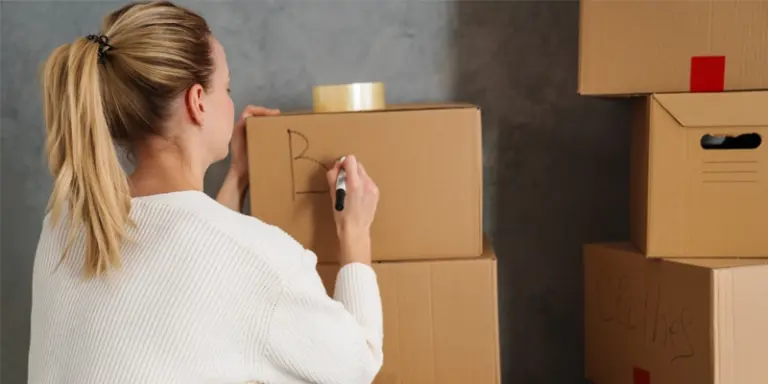
Mark every fragile box clearly using bright labels or a bold marker on multiple sides. Write “FRAGILE, HANDLE WITH CARE” prominently, along with directional arrows indicating “THIS SIDE UP.” Additionally, list the target room and key contents so both you and your movers know exactly where the box belongs and how to maneuver it safely.
6. Fill Empty Spaces When Packing Fragile Pieces
Movement inside a box during transit is a primary cause of damage. Eliminate empty pockets inside containers using packing peanuts, crumpled paper, or extra bubble wrap. Every box should fit like a tight puzzle, snug enough that nothing shifts when the box is gently shaken, but not so tight that pressure causes items to crack.
7. Load Heavy Items at the Bottom
Always place heavier items at the base of the box and lighter, delicate items near the top. For example, when packing kitchenware, place heavy ceramic plates vertically at the bottom and lightweight wine glasses near the top. This distribution prevents heavier objects from crushing delicate ones due to gravity and sudden stops during transit.
8. Take Care Packing Fragile Electronics
Electronics contain delicate internal components susceptible to physical shock and static electricity. Disconnect all cords, remove batteries, and wrap each component individually with anti-static bubble wrap. Place devices in sturdy, cushioned boxes filled with packing peanuts, and keep small accessories or cables organized in labeled bags packed alongside the main unit.
9. Transport High-Value Fragiles in Your Own Vehicle
Consider transporting your most precious, irreplaceable, or high-sentimental-value items, such as family heirlooms, fine jewelry, or vital documents, in your personal car instead of the main moving truck. Keeping these items with you gives you complete control over their handling, temperature environment, and security throughout the journey.
10. Hire Professional Movers
If the packing process becomes overwhelming, delegate the job to professional movers who specialize in handling delicate cargo. Experienced removalists possess the right expertise, specialized equipment, and heavy-duty supplies to ensure safe transit, while saving your friends and family from unpaid physical labor.
What specific aspect of your move would you like to plan next?