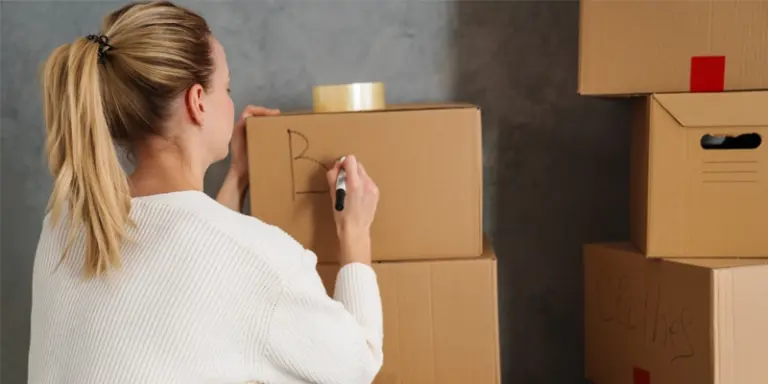


Moving to a new home provides the ultimate opportunity to declutter. Assessing and reducing your possessions before packing simplifies transit, cuts moving costs, and ensures a fresh, organised start in your new space.

Key Takeaways
- Start Early: Decluttering takes time—begin as soon as your move is confirmed to avoid last-minute stress.
- Tackle One Room at a Time: Focus on one room or category at a time to prevent feeling overwhelmed.
- Use the Four-Category Sorting System: Divide items into Keep, Toss, Donate, or Sell.
- Digitise Where Possible: Convert physical documents, photos, and media collections into digital formats to save space.
- Plan for Your New Layout: Only bring items that have a designated space in your new home.
- Enlist Help: Reach out to family, friends, or professional organisers for assistance with heavy or complex tasks.
- Celebrate Milestones: Acknowledge your progress throughout the journey to maintain mental well-being and motivation.
Why These Decluttering Tips Matter
- Saves Money: Transporting fewer items reduces expenses on moving trucks and packing supplies like boxes, bubble wrap, and tape.
- Saves Time: Packing, lifting, loading, and unpacking take significantly less time when total volume is reduced.
- Reduces Stress: A curated collection of belongings gives you greater control over your environment and lowers moving-day anxiety.
- Provides a Fresh Start: Moving only what you truly value sets a clean, organised tone for your new living space.
Step-by-Step Decluttering Tips
1. Establish Practical Goals and Rules
- Start Small: Begin with manageable areas like a single drawer, shelf, or small cabinet before attempting entire rooms.
- Set Dedicated Timers: Work in short, focused blocks (e.g., 20 to 60 minutes) to maintain momentum without burnout.
- Ask Core Questions: Evaluate items by asking: Have I used this in the past year? Does this add value or joy to my life? Would someone else benefit from this more?
2. Manage Sentimental Belongings
- Acknowledge Emotional Value: Remember that memories reside in your heart, not in physical objects.
- Digitise Keepsakes: Scan important papers, letters, and old photographs to preserve memories without physical bulk.
- Set Physical Boundaries: Allocate a single designated memory box for sentimental items to prevent excess accumulation.
Room-by-Room Decluttering Tips
- Living Room:
- Evaluate furniture and eliminate underutilised tables or extra chairs.
- Clear horizontal surfaces like coffee tables and mantels.
- Convert physical CDs, DVDs, and media into digital formats.
- Bedroom & Closet:
- Sort apparel by type or season.
- Donate or sell items that no longer fit, are out of style, or haven’t been worn in over a year.
- Discard broken accessories, worn-out shoes, or expired personal care products.
- Kitchen:
- Keep only daily cookware and essential appliances, letting go of duplicate utensils or rarely used gadgets.
- Clear out the pantry by safely disposing of expired or spoiled food items.
- Donate unopened, non-perishable food to local hunger relief charities.
- Home Office & Study:
- Shred or recycle unnecessary papers while scanning essential legal and financial documents.
- Clear out dried-up pens and excess office stationery.
- Consolidate electronics, recycle obsolete devices, and organize loose cables.
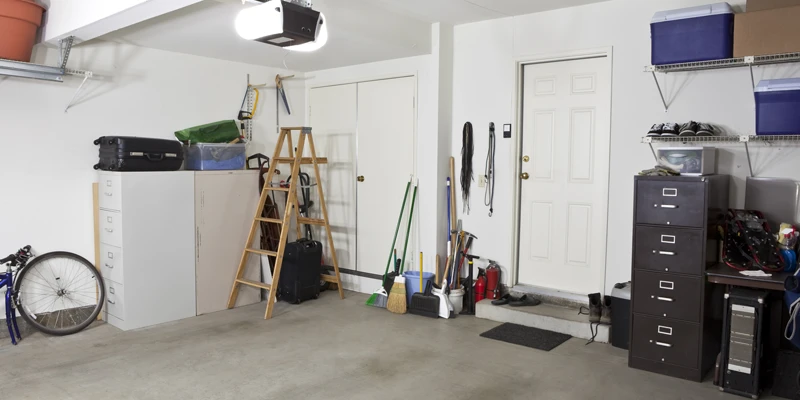
- Garage, Shed & Storage:
- Sort equipment into distinct zones (automotive, gardening, sports).
- Safely dispose of broken hand/power tools.
- Donate outgrown seasonal gear or old holiday decorations.
Offloading Unwanted Items
- Selling Items for Extra Cash:
- Host a garage sale or list valuable items on platforms like Facebook Marketplace or eBay.
- Group similar items together, set realistic second-hand prices, and write transparent item descriptions detailing any defects.
- Donating to Australian Charities:
- Pass quality pre-loved clothes, furniture, books, and homewares to organisations such as The Salvation Army, St Vincent de Paul Society, Australian Red Cross, Lifeline, or Anglicare WA.
- Always contact local op-shops beforehand to confirm their current donation guidelines and acceptance policies.
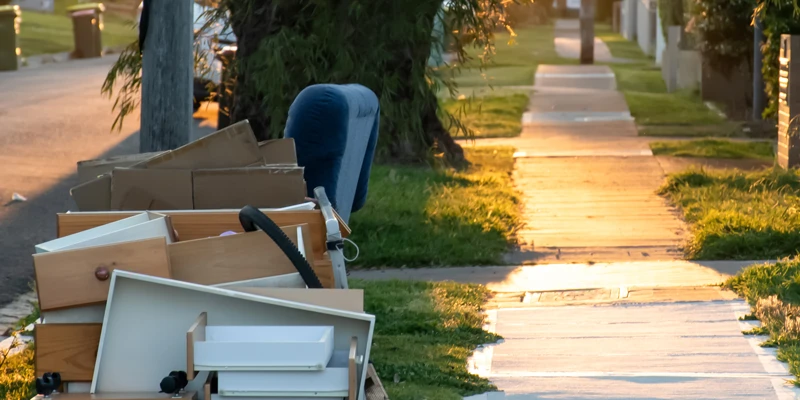
- Disposing of Hard Waste & Large Junk:
- Take advantage of your local council’s free scheduled hard-waste collection services for bulky furniture or appliances.
- Hire professional rubbish removal services to haul away large volumes of non-donatable junk.
Summary of Our Decluttering Tips
Decluttering before a move transforms a potentially stressful event into a streamlined, cost-effective transition. By starting early, tackling one area at a time, and making conscious decisions about what to keep, sell, donate, or discard, you save time and money while setting the stage for an organized fresh start in your new home.
What phase of your moving schedule would you like to organize next?