

Moving house, apartment or office can be exciting, but packing your belongings properly is one of the most important parts of the process.
Fragile glassware, electronics, ornaments, artwork, kitchenware and furniture can all be vulnerable during transportation. Even when items are handled carefully, movement inside boxes, vibration during transport and accidental impacts can result in scratches, cracks or breakage.
That is why choosing the right packing materials matters.
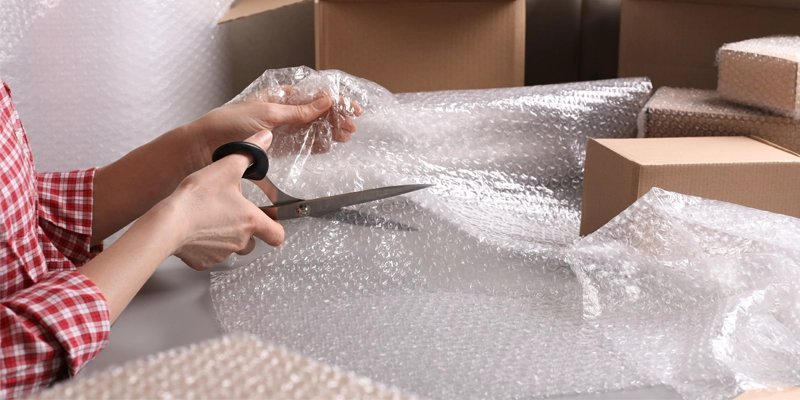
Bubble wrap is one of the most commonly used protective materials for moving and transporting fragile belongings. Its air-filled bubbles provide cushioning around items and can help reduce the effect of bumps and impacts during handling and transportation.
But simply wrapping something in bubble wrap does not automatically mean it is properly protected.
You need to choose the right type and size, wrap the item correctly, protect corners and surfaces, secure the wrapping without damaging the item, and make sure there is no unnecessary movement inside the box.
This guide explains how to pack with bubble wrap, what size bubble wrap to use, how to protect fragile household items and electronics, how to use bubble wrap inside moving boxes, and what to do with it after your move.
Why Use Bubble Wrap When Moving?
Bubble wrap is popular because it is lightweight, flexible and easy to use. The small air pockets inside the material provide a cushioning layer between your belongings and the outside environment. This can be particularly useful when packing items that could be damaged by bumps, vibration or contact with other objects.
Bubble wrap can be useful for:
- Glassware
- Plates and crockery
- Ceramics
- Vases
- Picture frames
- Mirrors
- Small ornaments
- Electronics
- Kitchen appliances
- Decorative items
- Fragile furniture components
- Artwork
- Small valuable items
It can also be used as filler material inside moving boxes.
For example, if you place several fragile items into a box and leave large gaps between them, the items may shift during transportation. Filling those gaps with suitable protective material can help keep everything more stable.
Australia Post also recommends using packing paper or bubble wrap to fill gaps between objects so they cannot move around during a move.
The important thing to remember is that bubble wrap is one part of a packing system. A properly packed fragile item may also require a sturdy box, packing paper, cardboard dividers, corner protection and additional cushioning.
What Is Bubble Wrap?
Bubble wrap is a flexible plastic packaging material containing pockets of trapped air. Those pockets act as small cushions around an item. When the wrapped item experiences minor knocks or vibration, the air-filled bubbles can absorb some of the impact. Bubble wrap comes in different bubble sizes and formats. The right option depends on what you are packing.
For example, a small decorative item does not necessarily need the same type of bubble wrap as a large appliance or piece of artwork.
Which Side of Bubble Wrap Goes In?
One of the most common questions people ask is:
Should the bubbles face in or out?
For general protective packing, the common approach is to place the bubble side toward the item, allowing the air pockets to sit against the surface and provide cushioning. The flat side faces outward, which also makes it easier to secure the wrapping with tape. However, for particularly delicate surfaces, you should consider placing a layer of clean packing paper or another suitable protective material between the item and the bubble wrap. This can help avoid direct contact between the plastic and sensitive finishes.
The important principle is simple:
The bubble wrap should cushion the item without creating another risk to the item’s surface.
Choosing the Right Bubble Wrap
Not all bubble wrap is the same. Bubble size, thickness and roll dimensions can affect how well it works for a particular item. The original Find a Mover guide identifies several common bubble sizes, from very small bubbles for delicate small objects through to larger bubbles for bigger or heavier items.
A practical guide looks like this:
| Bubble Size | Suitable Uses |
|---|---|
| Mini | Jewellery, small ornaments and very delicate objects |
| Small | Glassware, ceramics and small fragile items |
| Medium | Appliances, electronics and larger fragile items |
| Large | Furniture components, artwork and heavier items |
The exact specification can vary between suppliers, so always check the product you’re purchasing.
Why does bubble size matter?
Small bubbles can provide a more controlled layer of cushioning for smaller delicate objects. Larger bubbles provide more air cushioning and can be useful when protecting larger or heavier objects. Using the appropriate material can also help you avoid unnecessarily using large quantities of packing material.
How Much Bubble Wrap Do You Need?
This depends on:
- How many items you are packing
- The size of the items
- How fragile they are
- Whether you are double wrapping
- How much box filler you need
- Whether you are packing furniture components
- How long the items will be transported
Retail bubble wrap rolls are commonly available in widths such as 375 mm, 500 mm and 750 mm, with different roll lengths available. Before purchasing, make a rough list of the fragile items you need to pack. It is better to have some extra material than to discover halfway through packing that you have run out.
How to Pack Fragile Items With Bubble Wrap
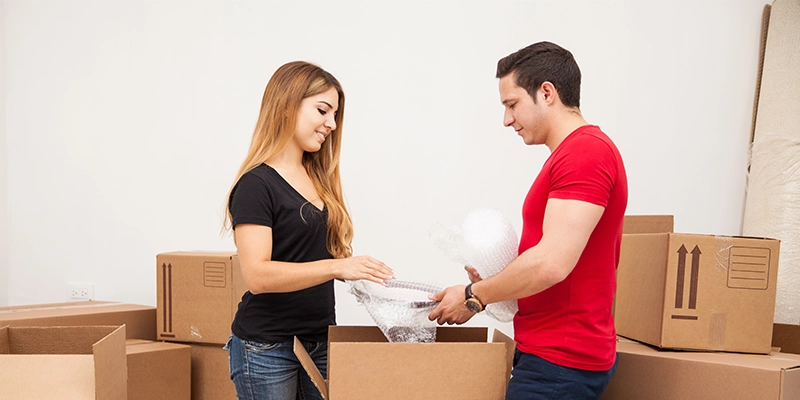
Proper wrapping is more important than simply using a lot of bubble wrap.
Follow these steps.
Step 1: Prepare a Clean Area to Pack With Bubble Wrap
Start with a clean, flat surface. Remove anything that could scratch or damage the item while you are wrapping it.
This is particularly important for:
- Glass
- Polished furniture components
- Artwork
- Screens
- Decorative pieces
Step 2: Prepare the Item
Remove loose components where appropriate.
For example:
- Remove removable shelves
- Take off detachable handles
- Remove loose accessories
- Unplug electronics
- Remove batteries where appropriate
- Secure small components separately
If an item has several removable pieces, label them and keep them together.
Step 3: Place the Bubble Wrap on the Surface
Lay enough bubble wrap flat on your packing surface. Make sure there is enough material around the item to completely cover it. For particularly fragile belongings, you may need multiple layers.
Step 4: Place the Item in the Centre
Position the item in the middle of the bubble wrap. This gives you enough material on every side to create a protective layer.
Step 5: Wrap Every Side
Fold the bubble wrap around the item.
Make sure the following areas are covered:
- Front
- Back
- Top
- Bottom
- Corners
- Edges
Corners are particularly important because they can be vulnerable to impacts.
Step 6: Add Extra Layers Where Needed
Some items need more protection than others. For example, a delicate vase or glass item may benefit from multiple layers of bubble wrap. Do not assume that simply adding more layers is always better, though. The item still needs to fit securely inside the box without excessive pressure.
Step 7: Secure the Bubble Wrap
Use packing tape to secure the bubble wrap around itself. Do not place packing tape directly onto the item. This is especially important for furniture finishes, painted surfaces, electronics and delicate materials. Tape the bubble wrap rather than the object.
How to Pack Multiple Fragile Items in One Box With Bubble Wrap
One of the biggest mistakes people make is wrapping several fragile items and putting them together without enough separation. Fragile items should not be allowed to knock against each other. Wrap individual items separately. Then place suitable cushioning between them.
For example:
Item → Bubble Wrap → Divider/Padding → Bubble Wrap → Item
You can also use cardboard dividers for glasses and other items that need individual compartments. The goal is to prevent movement. After closing the box, gently test whether the contents move around. If you can hear or feel items shifting significantly, add more suitable cushioning.
How to Use Bubble Wrap as a Separator
Bubble wrap can also work as a layer between stackable items.
For example, if you are packing plates or similar crockery:
- Place packing paper on the work surface.
- Add a layer of bubble wrap.
- Place the first item on top.
- Add another protective layer.
- Place the next item.
- Continue until the stack is complete.
- Wrap the group securely.
- Place it inside a sturdy box with additional cushioning.
The objective is to reduce direct contact and movement between individual pieces.
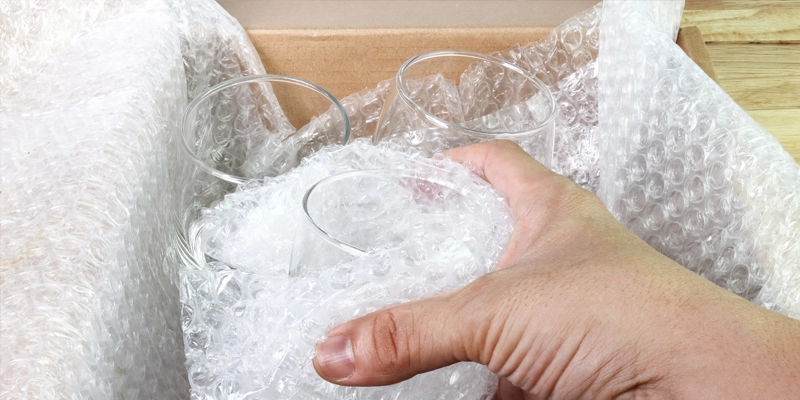
How to Pack Glassware With Bubble Wrap
Glassware requires additional care because it can crack or shatter under pressure or impact.
For glasses:
- Wrap each glass individually
- Pay attention to stems and handles
- Add additional protection around vulnerable areas
- Use dividers when possible
- Avoid overpacking the box
- Fill empty spaces
- Label the box as fragile
- Keep fragile boxes away from heavy items
Australia Post recommends using boxes with dividers for particularly delicate glassware such as stemmed wine glasses.
Do not rely on the words “FRAGILE” alone.
The contents still need to be packed properly.
How to Pack Plates and Crockery With Bubble Wrap
Plates should generally be packed so they have sufficient cushioning and cannot move freely inside the carton.
A practical approach is:
Wrap → Separate → Cushion → Secure
Use bubble wrap or packing paper around individual pieces and add padding around the sides and bottom of the box.
Avoid leaving empty spaces.
However, do not force too many heavy plates into a single carton.
A box that is too heavy can become difficult to lift and may increase the risk of damage during handling.
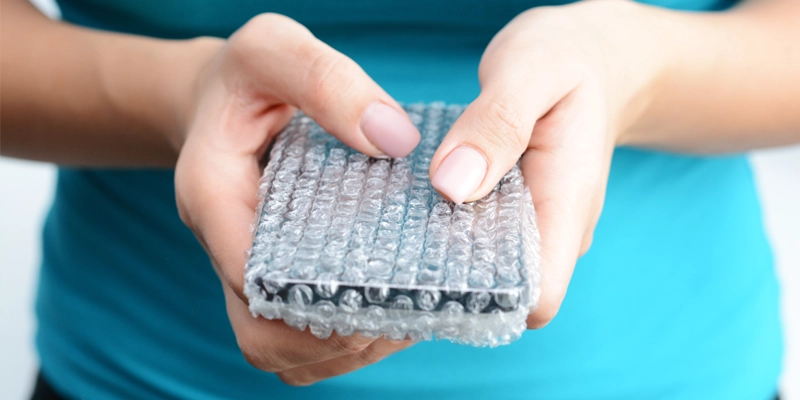
How to Pack Electronics With Bubble Wrap
Electronics require additional consideration because they can be damaged by physical impact and, depending on the device and materials involved, electrostatic discharge.
Bubble wrap can provide physical cushioning, but anti-static packaging may be more appropriate for sensitive electronic components.
This can include:
- Computers
- Circuit boards
- Computer components
- Tablets
- Small electronic devices
- Other static-sensitive equipment
For valuable electronics, keep original manufacturer packaging where possible.
Original boxes often include moulded inserts designed specifically to hold the device securely.
Before packing electronics:
- Turn the device off
- Disconnect cables
- Remove detachable accessories
- Label cables
- Back up important data
- Photograph connections if necessary
- Keep accessories together
For larger electronics such as televisions, use suitable protective materials around the screen and corners rather than relying on bubble wrap alone.
How to Pack a TV With Bubble Wrap
A television is one of the items that deserves extra attention during a move.
If you still have the original box and protective inserts, use them.
If not:
- Disconnect the TV.
- Remove the stand if appropriate.
- Protect the screen with suitable clean material.
- Add cushioning around the television.
- Protect the corners.
- Secure the protective material.
- Place the TV in an appropriately sized box or protective carton.
- Fill gaps so the TV cannot move.
- Keep the television upright where appropriate.
- Clearly communicate that the package contains a fragile screen.
Avoid placing heavy boxes on top of a television.
Can You Use Bubble Wrap on Furniture?
Yes, but bubble wrap should not necessarily be your only furniture protection.
Furniture often requires a combination of:
- Moving blankets
- Furniture pads
- Bubble wrap
- Stretch wrap
- Cardboard
- Corner protection
For example, bubble wrap can be particularly useful around fragile furniture components, glass sections and vulnerable corners.
Moving blankets are generally more appropriate for protecting larger furniture surfaces from scratches and general handling damage.
Find a Mover’s furniture-packing guidance similarly recommends combining materials such as moving blankets, shrink wrap, bubble wrap and sturdy cardboard depending on the furniture being transported.
How to Pack a Glass Table With Bubble Wrap
Glass furniture deserves particular care.
Before moving a glass tabletop:
- Remove it from the frame where safely possible
- Protect the surface
- Add cushioning
- Protect corners and edges
- Use appropriate moving blankets
- Secure the protective material
- Keep it separated from heavy objects
For transportation, glass panels should be handled and positioned appropriately for the particular item.
If the tabletop is particularly large, heavy or valuable, professional furniture movers may be better equipped to handle it safely.
Packing Furniture Corners With Bubble Wrap
Furniture corners are common impact points.
This includes:
- Tables
- Cabinets
- Bed frames
- Desks
- Shelving
- Entertainment units
Add additional protection to corners before wrapping the wider furniture piece. You can combine bubble wrap with cardboard corner protection or furniture pads. This creates a layered protection system rather than relying on a single material.
Bubble Wrap vs Moving Blankets
These materials serve different purposes.
| Bubble Wrap | Moving Blankets |
|---|---|
| Lightweight | Heavy-duty |
| Air cushioning | Thick padded protection |
| Great for fragile items | Great for furniture |
| Useful around corners | Useful around large surfaces |
| Good for glass and ceramics | Good for timber, upholstery and appliances |
| Useful inside boxes | Better for large objects |
For many moves, using both is better than choosing only one.
For example:
Glass table → protective layer → bubble wrap → moving blanket → secure for transport
The exact combination depends on the item.
How to Prevent Items From Moving Inside Boxes
Packing protection is not only about wrapping. It is also about immobilisation. If a fragile item is wrapped beautifully but has several centimetres of empty space around it, it can still move when the box is lifted or transported. Fill empty spaces using suitable packing materials.
You can use:
- Bubble wrap
- Packing paper
- Cardboard
- Dividers
- Other appropriate cushioning materials
Australia Post recommends filling gaps so items cannot move around inside the box. The finished box should feel secure without being overpacked.
Should You Label Bubble-Wrapped Boxes as Fragile?
Yes, If a box contains fragile items, clearly mark it.
Use labels such as:
FRAGILE
HANDLE WITH CARE
THIS SIDE UP
where appropriate. Place the marking on multiple sides so it can be seen during handling.
But remember:
A fragile label is an instruction, not a substitute for proper packing.
Common Bubble Wrap Packing Mistakes
Even experienced people can make packing mistakes.
Here are some of the most common.
1. Using too little protection
One thin layer may not be enough for particularly fragile items.
2. Wrapping everything with the same bubble size
Different items have different protection requirements.
3. Putting tape directly on furniture
Tape can damage finishes, paint or surfaces.
Always secure the protective material rather than sticking tape directly onto the item.
4. Leaving empty space in boxes
Movement inside a box increases the chance of impact.
5. Putting fragile items underneath heavy boxes
Fragile cartons should be positioned appropriately during loading.
6. Overloading boxes
Heavy boxes can be difficult and unsafe to handle.
7. Forgetting corners
Corners and edges can be particularly vulnerable.
8. Packing electronics without considering static protection
Sensitive electronic components may require anti-static packaging.
9. Throwing used bubble wrap away immediately
If it is still clean and intact, consider reusing it.
Can You Reuse Bubble Wrap?
Absolutely.
If the bubble wrap is:
- Clean
- Dry
- Not badly damaged
- Still inflated
- Free from excessive tape or contamination
you can store it for future use.
Reuse it for:
- Future moves
- Storage
- Fragile items
- Seasonal decorations
- Garage storage
- Household items that need temporary protection
To store it, keep it clean, dry and away from excessive heat or moisture. Avoid crushing or tightly scrunching it because this can damage the bubbles. The original guide also recommends flattening and gently folding bubble wrap before storing it in a cool, dry location.
Is Bubble Wrap Recyclable in Australia?
This is an important one.
Do not automatically put bubble wrap in your household yellow recycling bin.
Bubble wrap is generally classified as a soft plastic. Recycling Near You states that soft plastics such as bubble wrap should not be placed in household recycling bins because they can become tangled in recycling machinery and contaminate other recyclable materials.
Instead:
- Reuse it where possible.
- Remove tape and labels.
- Keep it clean.
- Check your local council or recycling service.
- Use an appropriate specialised soft-plastic collection option where available.
Recycling options can vary by location, so always check the current local guidance before disposing of bubble wrap.
How to Make Your Move More Sustainable
Moving can generate a surprising amount of packaging waste.
You can reduce this by:
Reusing packing materials
Keep bubble wrap, boxes and other materials that are still usable.
Using household materials
Clothes, towels and blankets can sometimes provide additional cushioning for suitable belongings.
Avoiding unnecessary packaging
Use the right amount of material rather than wrapping every item excessively.
Choosing reusable protection
Moving blankets and reusable protective materials can reduce the need for disposable packaging.
Recycling correctly
Separate cardboard and other recyclable materials according to your local recycling rules.
And most importantly:
Reuse before recycling where practical.
When Should You Use Professional Packing Services?
Packing an entire home can take much longer than expected.
Professional packing may be worth considering if you:
- Have a large home
- Have many fragile belongings
- Are moving interstate
- Have valuable furniture
- Have large amounts of glassware
- Have artwork or delicate items
- Have limited time
- Are moving a business or office
- Need help preparing furniture for transport
Professional movers can also help determine which items require blankets, bubble wrap, stretch wrap, cartons or other protective materials.
Bubble Wrap and Professional Furniture Delivery
For furniture businesses, retailers and eCommerce brands, protecting an item is only one part of the delivery journey. The furniture also needs to be:
Collected → Loaded → Transported → Unloaded → Delivered
Every stage matters. A beautifully packed product can still be damaged through poor handling, unsuitable loading or careless unloading. That’s why furniture delivery requires more than just a vehicle. It requires appropriate equipment, trained staff, careful handling and a delivery process designed around the item being transported.
How Moving With Sam Helps With Furniture Delivery
At Moving With Sam, we understand that furniture delivery is about more than simply getting an item from one location to another. Our services are designed to support businesses and customers with furniture delivery, moving and logistics requirements. Depending on the delivery, this can include handling bulky furniture, coordinating pickups and deliveries, moving furniture into homes and supporting businesses with last-mile delivery requirements. Our team uses equipment such as trolleys, dollies, blankets and protective materials to help handle furniture safely. For businesses, reliable last-mile delivery can also become an important part of the customer experience. When a customer orders a sofa, mattress, dining table, bed or other large item, the delivery is often the final physical interaction they have with the brand. A smooth delivery can leave a strong impression. A poorly handled delivery can do the opposite.
Packing Checklist for Moving Day
Before the movers arrive, use this quick checklist.
Fragile items
- Glassware individually wrapped
- Ceramics protected
- Artwork protected
- Electronics packed appropriately
- Fragile boxes labelled
- Empty spaces filled
- Heavy items separated from fragile items
Furniture
- Drawers emptied
- Loose components removed
- Screws and fittings labelled
- Glass components protected
- Corners covered
- Furniture blankets prepared
- Stretch wrap used where appropriate
Boxes
- Boxes are not overloaded
- Contents are labelled
- Room destinations are marked
- Fragile boxes clearly identified
- Boxes can be safely lifted
Final preparation
- Important documents kept separately
- Valuables kept secure
- Essentials box prepared
- Electronics backed up
- Moving team informed about particularly fragile or valuable items
Frequently Asked Questions
What is the best way to pack with bubble wrap?
Place the bubble wrap around the item so it is fully protected, pay particular attention to corners and edges, secure the wrap without taping directly to the item, and place the wrapped item inside a suitable box with enough cushioning to prevent movement.
Should bubble wrap face in or out?
For general protective packing, the bubble side is commonly placed toward the item. For sensitive surfaces, consider adding a suitable protective layer between the surface and bubble wrap.
How many layers of bubble wrap should I use?
There is no universal number. Fragile items may need multiple layers, while less delicate objects may require less. The important thing is to provide sufficient cushioning without creating excessive pressure.
Can I use bubble wrap for furniture?
Yes. Bubble wrap can be useful for fragile furniture components, glass and corners. For larger furniture surfaces, moving blankets and other protective materials may be more appropriate.
Can I use bubble wrap for electronics?
Yes, for physical cushioning, but sensitive electronic components may require anti-static packaging. Original manufacturer packaging is often the best option when available.
Can bubble wrap go in the recycling bin?
Generally, bubble wrap should not go into your household recycling bin. It is a soft plastic and can cause problems in conventional recycling systems. Check your local recycling guidance for specialised options.
Is bubble wrap better than moving blankets?
Neither is universally better. Bubble wrap is useful for fragile items and cushioning, while moving blankets are generally better suited to protecting larger furniture surfaces. They can also be used together.
Can I reuse bubble wrap after moving?
Yes. If it is clean, dry and still in good condition, reusing it is often preferable to immediately disposing of it.
Final Thoughts: How to Pack With Bubble Wrap
Bubble wrap can be a simple but highly useful part of your moving and packing toolkit.
The key is not simply to use more bubble wrap.
It is to use the right protection for the right item.
Fragile glassware may need individual wrapping and dividers. Electronics may need anti-static protection. Furniture may need a combination of bubble wrap, moving blankets, stretch wrap and corner protection. And every packed box should be secure enough that its contents cannot freely move around during transportation.
Good packing starts before moving day.
Take the time to identify your fragile belongings, choose the right materials, label your boxes and protect vulnerable surfaces.
And when the job involves large, bulky or valuable furniture, professional handling can make the moving process much easier.
From careful handling to reliable delivery, Moving With Sam helps take the stress out of getting furniture where it needs to go.