


Perth is one of Australia’s most geographically isolated capital cities, but that distance hasn’t stopped it from becoming one of the country’s fastest-growing metropolitan areas.
Located on the west coast of Australia, Perth combines a growing economy with beaches, parks, a Mediterranean-style climate and a relatively spacious suburban environment. The city is also the gateway to Western Australia’s major mining, resources, energy and industrial sectors.
Greater Perth reached an estimated 2,452,765 residents at June 2025, after adding around 58,100 people during 2024–25. Its population grew by 2.4%, the highest growth rate recorded among Australia’s capital cities during the year.
For people considering a move from Sydney, Melbourne, Adelaide, Brisbane or elsewhere in Australia, Perth can offer a very different lifestyle.
But moving to Perth involves more than choosing a house and booking a removalist.
The distance from Australia’s eastern cities, the spread-out metropolitan area, strong housing demand and differences between suburbs all make planning particularly important.
If you’re thinking about moving to Perth, this guide covers what you should know before relocating.
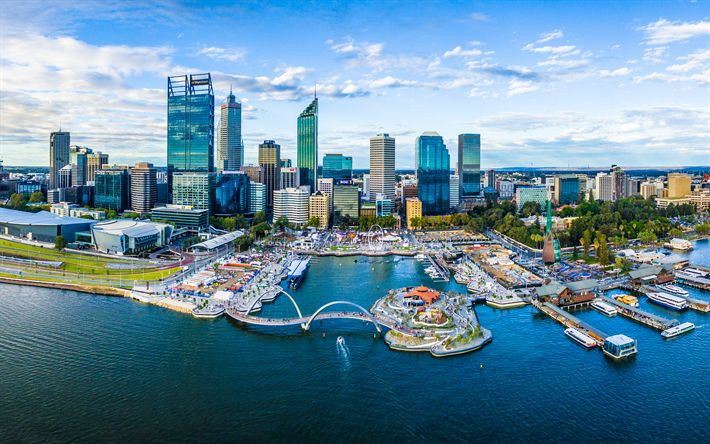
Why Are People Moving to Perth?
Perth attracts people for a combination of lifestyle, employment and housing opportunities.
Some of the biggest reasons include:
- Strong population and economic growth
- Employment opportunities connected to mining and resources
- Growing technology and innovation sectors
- A strong health and life sciences industry
- Beautiful beaches and outdoor spaces
- Warm, dry summers
- Relatively spacious suburban areas
- Access to the Swan River and Indian Ocean
- Growing outer suburbs with new housing developments
- A high-quality lifestyle without the metropolitan density of Sydney or Melbourne
Perth’s economy is particularly influenced by Western Australia’s natural resources sector, but the city’s employment base is much broader than mining alone.
The City of Perth identifies education and innovation, health and life sciences among its key growth sectors, while WA Government employment information highlights industries including construction, tourism and hospitality, mining and technology.
For many people, however, lifestyle is just as important as employment.
Perth offers an unusual combination of city living, beaches and relatively easy access to outdoor recreation.
Perth’s Population and Growth
Perth’s recent population growth has been one of the strongest stories among Australia’s capital cities.
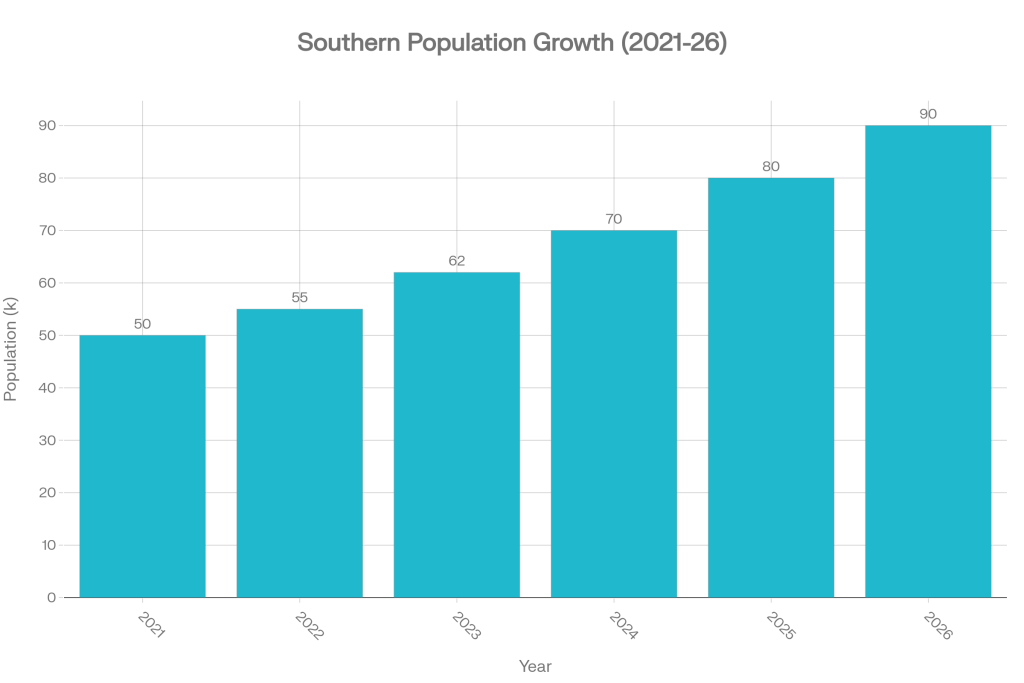
According to the Australian Bureau of Statistics, Greater Perth had 2,452,765 residents at 30 June 2025, an increase of 58,088 people during 2024–25. That represented population growth of 2.4%, the highest rate among Australia’s capital cities.
The growth is not concentrated in one part of the city.
Some of the largest population increases occurred in:
- Alkimos–Eglinton
- Brabham–Henley Brook
- Baldivis–North
Alkimos–Eglinton recorded around 2,500 additional residents, while Brabham–Henley Brook added around 1,800 and Baldivis–North around 1,700.
These areas are important for anyone considering a new-build home or family relocation.
Perth’s outer suburbs are continuing to expand, creating new communities and housing supply while also increasing demand for transport, schools, shopping and other services.
What Does It Cost to Live in Perth?
Perth’s cost of living has changed considerably over recent years.
The city was once widely viewed as one of Australia’s more affordable capital cities, but strong population growth and limited housing supply have pushed property prices and rents significantly higher.
Domain’s June 2026 House Price Report recorded Perth’s median house price at approximately $1.183 million, while the median unit price was around $702,000. Perth’s median house price was up 22.5% annually in the report, although quarterly growth had slowed to 1%.
REIWA’s more recent Perth metropolitan data, using transactions for the 12 months to August 2026, reports a median house price of approximately $960,000 and a median unit price of around $690,000. Different property datasets use different methodologies and reporting periods, so these figures should not be treated as interchangeable.
The important takeaway is simple:
Perth is no longer a market where you should assume housing is automatically cheap.
If you’re planning to relocate, research the specific suburb and property type rather than relying solely on a city-wide median.
Renting When Moving to Perth
Rental supply is one of the biggest issues people should understand before moving to Perth.
Domain’s March 2026 Rental Report recorded median weekly rents of approximately:
- $740 per week for houses
- $695 per week for units
Perth’s vacancy rate had fallen to just 0.3%, indicating extremely tight rental supply.
More recent REIWA data to August 2026 shows a Perth metropolitan median house rent around $750 per week and a median unit rent around $700 per week.
For someone relocating from another city, this means rental preparation is important.
Before arriving in Perth:
- Research your preferred suburbs.
- Prepare rental application documents.
- Budget for bond and upfront rent.
- Compare houses and units.
- Check commute times.
- Consider suburbs further from the CBD if you need more space.
- Don’t assume a lower weekly rent automatically means lower overall living costs.
Remember that Australian rental prices are normally advertised per week.
For a rough monthly estimate, multiply the weekly rent by approximately 4.33.
Is Perth Still Affordable?
Perth can still offer different price points across its metropolitan area, but affordability depends heavily on location.
Some outer areas provide substantially lower housing costs than premium coastal or inner-city suburbs.
REIWA’s research has previously identified suburbs such as Medina, Pinjarra, Mandurah, Armadale, Midland and Bellevue among Perth’s more affordable housing markets.
For renters, REIWA reported that some of the most affordable rental markets were concentrated around the Peel region and southern coastal corridor, with Mandurah recording a median house rent of $540 per week in the three months to April 2026—around $190 below Greater Perth’s median at that time.
However, affordability shouldn’t be measured only by the property price.
Consider:
- Fuel
- Public transport
- Parking
- Commute time
- School travel
- Access to shopping
- Distance from family
- Travel to work
A cheaper house 40 kilometres further from your workplace may not necessarily be cheaper once transport and time are included.
Perth’s Climate: What to Expect When Moving to Perth
The climate is one of Perth’s biggest lifestyle advantages.
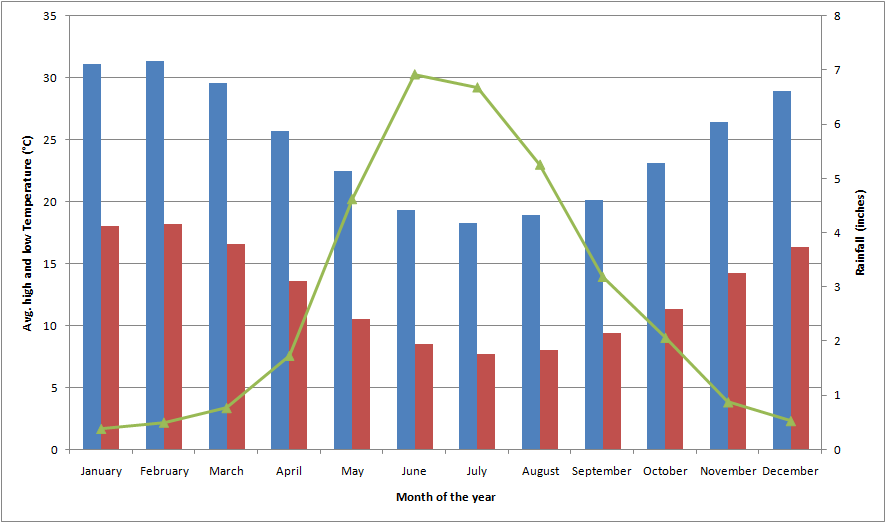
Perth has a Mediterranean-style climate, characterised by hot, dry summers and mild, wetter winters.
Summer is generally the season when newcomers notice the biggest difference.
Long periods of sunshine and hot weather make air conditioning an important consideration for many homes.
The dry summer climate also means that outdoor activities, beaches and parks can become a major part of everyday life.
If you’re moving from a cooler or wetter Australian city, prepare for:
- Hot summer afternoons
- Strong sun exposure
- Dry conditions
- Warm evenings
- Cooler and wetter winters
- Significant seasonal differences
When inspecting a property, check whether it has effective air conditioning, insulation, shade and ventilation.
This can make a noticeable difference to comfort and electricity costs during summer.
Getting Around After Moving to Perth
Perth’s public transport network is operated by Transperth, which provides bus, train and ferry services across the metropolitan area.
The system includes:
- Bus services
- Electrified urban trains
- Ferry services
- CAT buses
- Free Transit Zones
Transperth also provides journey planning and real-time information through its app.
The Perth metropolitan rail network connects the CBD with several major parts of the city, while buses provide broader coverage.
Perth also has free public transport within designated areas of the CBD.
The Free Transit Zone covers selected bus and train journeys within central Perth, while CAT buses provide free travel on several city routes.
Do You Need a Car After Moving to Perth?
This depends heavily on where you live.
If you’re living close to the CBD or a major train corridor, public transport can cover many daily journeys.
However, Perth is geographically spread out.
A car can become much more practical if you live:
- In outer northern suburbs
- In outer southern suburbs
- In new growth areas
- Away from train stations
- In parts of the Perth Hills
- Outside major employment centres
Families may also find a car useful for school runs, shopping, sports and weekend activities.
Before choosing a suburb, map your regular journeys rather than looking only at the distance to Perth CBD.
Perth’s Public Transport and Free Travel
One useful feature for newcomers is Perth’s Free Transit Zone.
Transperth allows free bus travel within the designated Perth city zone, while trains can also be travelled for free within the zone when using SmartRider or contactless payment correctly.
CAT buses are also free and operate across several central routes.
For longer journeys, passengers can use:
- SmartRider
- Contactless payment
- Cash tickets
Transperth’s network is integrated, meaning buses, trains and ferries can be used as part of the same metropolitan transport system.
Finding Work After Moving to Perth
Perth has a diverse economy, although Western Australia’s resources sector remains particularly important.
Major employment areas include:
Mining and Resources
Western Australia’s mining industry is one of the biggest drivers of the state’s economy and provides employment across engineering, operations, logistics, administration, technology and professional services.
Construction
Population growth and major infrastructure projects support ongoing construction employment.
Technology
Perth is developing a stronger technology and innovation ecosystem, with opportunities across digital technology, data, cyber security and related industries.
Health and Life Sciences
The City of Perth identifies health and life sciences as a major sector, supported by research institutions, hospitals and specialist facilities.
Education
Universities, schools, training organisations and research institutions provide employment across education and professional services.
Tourism and Hospitality
Perth’s beaches, wineries, restaurants and surrounding destinations support a large tourism and hospitality industry.
The WA Government also highlights construction, tourism and hospitality, mining and other industries among employment opportunities across the state.
Choosing Where to Live When Moving to Perth
Perth is a city of very different suburbs.
The best area for you depends on your:
- Budget
- Workplace
- Family situation
- Lifestyle
- Commute
- Access to public transport
- Preference for beach, city or suburban living
Here are some areas worth considering.
Perth CBD
Living in the Perth CBD is ideal for people who want easy access to:
- Offices
- Restaurants
- Shopping
- Universities
- Entertainment
- Public transport
- Elizabeth Quay
- Swan River
It can be particularly suitable for professionals, students and people who don’t want a long commute.
The trade-off is that apartments are generally more common than detached houses, and some residents prefer the space and quiet of surrounding suburbs.
East Perth
East Perth provides a combination of apartment living, river access and proximity to the CBD.
It can appeal to professionals who want to remain close to central Perth while having access to waterfront areas and parks.
West Perth
West Perth is particularly convenient for professionals working in central business and professional services areas.
It offers a mix of apartments, offices and residential properties close to the CBD.
Subiaco
Subiaco is one of Perth’s established inner-western suburbs.
It is known for:
- Cafes
- Restaurants
- Shopping
- Established homes
- Public transport
- Proximity to the CBD
It can suit professionals, couples and families who value an established urban lifestyle.
Mount Lawley
Mount Lawley is popular for its cafes, restaurants, character homes and proximity to the CBD.
It offers a more established inner-city lifestyle while remaining relatively close to central Perth.
Scarborough
If beach access is important, Scarborough is one of the best-known options.
The suburb offers:
- Beach lifestyle
- Restaurants
- Cafes
- Apartments
- Public transport
- Easy access to coastal recreation
Scarborough is also one of Perth’s recognised lifestyle areas and remains popular with people who want to live near the Indian Ocean.
Fremantle
Fremantle offers a distinct character compared with many Perth suburbs.
It combines:
- Beaches
- Port activity
- Restaurants
- Cafes
- Markets
- Heritage buildings
- Arts and culture
It can suit people who prefer a lively, established community rather than a newer suburban development.
Northern Perth Suburbs
Perth’s northern corridor has experienced significant growth.
Areas such as:
- Alkimos
- Eglinton
- Yanchep
- Butler
- Joondalup
offer different combinations of new housing, shopping, schools, beaches and transport.
Alkimos–Eglinton was Greater Perth’s fastest-growing population area in 2024–25, increasing by around 13%.
These suburbs can be attractive to families and people looking for newer homes.
The trade-off is that commuting into central Perth can take longer.
Southern Perth Suburbs
The southern corridor includes established suburbs and major growth areas.
Places such as:
- Rockingham
- Baldivis
- Cockburn
- Success
- Mandurah
- Kwinana
can appeal to families, first-home buyers and people who want more space.
Baldivis–North was one of Perth’s fastest-growing areas in 2024–25, adding around 1,700 residents.
Perth Hills
If you want more greenery and a quieter lifestyle, the Perth Hills offer a very different experience.
Areas around:
- Kalamunda
- Mundaring
- Roleystone
- Gooseberry Hill
can provide larger properties, trees and access to natural landscapes.
However, commuting can be more complicated and a car is generally more important.
How to Choose a Suburb When Moving to Perth
Don’t choose your suburb based only on the house price.
Consider these factors before signing a lease or purchasing a property.
1. Your Workplace
Where will you spend most of your weekdays?
2. Commute
How long does it take during peak traffic rather than at midnight?
3. Public Transport
Is there a train station or reliable bus service nearby?
4. Schools
Families should research school zones and travel times.
5. Shopping
Check supermarkets, shopping centres and everyday services.
6. Healthcare
Look at access to GPs, hospitals, pharmacies and specialists.
7. Lifestyle
Would you rather live near the beach, CBD, river, hills or a quiet suburban area?
8. Future Plans
Think about whether your current housing choice will still work if your family or job changes.
Moving to Perth From Melbourne
Moving from Melbourne to Perth can feel like a significant lifestyle change.
The two cities have very different climates, geography and urban layouts.
People moving from Melbourne may notice:
- Hotter and drier summers
- More consistent sunshine
- Different public transport patterns
- More suburban space
- A strong beach culture
- Greater distance between some parts of the metropolitan area
A Melbourne-to-Perth relocation also involves a substantial interstate distance.
That makes planning your furniture and household transport particularly important.
Before moving, create an inventory of:
- Sofas
- Beds
- Dining tables
- Wardrobes
- Appliances
- Fragile items
- Boxes
- Outdoor furniture
The more accurately you understand what needs to be transported, the easier it is to plan the right vehicle and moving service.
Moving to Perth From Sydney
A Sydney-to-Perth move is another major interstate relocation.
The biggest change may be the distance.
Perth is separated from Australia’s eastern capitals by thousands of kilometres, so transporting a household requires considerably more planning than a short interstate move.
Before booking a moving company, confirm:
- Pickup date
- Delivery timeframe
- Furniture inventory
- Access at both properties
- Parking
- Stairs
- Lift availability
- Storage requirements
- Insurance
- Communication arrangements
Don’t leave these details until the final week.
Moving to Perth From Adelaide
An Adelaide-to-Perth relocation is also a long-distance interstate move.
People often choose Perth for employment opportunities, lifestyle or a change of environment.
Because the distance is substantial, think carefully about what you actually want to take with you.
Moving is often a good opportunity to:
- Sell unused furniture
- Donate unwanted belongings
- Dispose of damaged items
- Reduce unnecessary boxes
- Replace bulky items after arrival
Transporting fewer unnecessary possessions can make the relocation simpler.
Moving Your Furniture to Perth
Furniture is often the most complicated part of a long-distance move.
Large items require proper protection and careful loading.
Before moving, measure:
- Sofas
- Beds
- Tables
- Cabinets
- Refrigerators
- Washing machines
- Wardrobes
Then check:
- Door widths
- Hallways
- Staircases
- Balconies
- Lifts
- Building loading zones
- Parking access
This is particularly important when moving into apartments.
A sofa that fits perfectly in your current home may not fit through the lift or staircase at your new property.
Practical Tips Before Moving to Perth
Start Early
Perth’s rental market remains highly competitive, so don’t leave your housing search until the last minute.
Research Your Suburb
Look beyond property prices.
Check schools, transport, supermarkets, healthcare and commute times.
Create a Moving Budget
Include:
- Moving service
- Packing materials
- Travel
- Accommodation
- Rental bond
- First rent payment
- Utilities
- Storage
- Cleaning
- New household items
Declutter
Don’t pay to transport things you don’t need.
Measure Furniture
Measure large furniture before moving.
Check Access
Confirm stairs, lifts, parking and loading zones.
Protect Important Items
Keep passports, documents, valuables and essential medication with you.
Book Your Moving Service
Long-distance interstate moves require more planning than local moves, so book early whenever possible.
Moving to Perth With a Family
Families need to think beyond the house.
Consider:
- Schools
- Childcare
- Parks
- Sporting clubs
- Shopping
- Healthcare
- Public transport
- Commute times
- Community facilities
Outer growth suburbs can provide newer homes and more space.
Established inner suburbs can offer mature trees, established schools, shops and easier access to central Perth.
The best option depends on what your family values most.
Moving to Perth for Work
If you’re relocating because of a new job, choose your suburb around your actual workplace.
This is especially important in Perth because employment opportunities are spread across a large metropolitan area.
A person working in the CBD may have completely different housing priorities from someone working around:
- Kwinana
- Henderson
- Osborne Park
- Joondalup
- Perth Airport
- industrial areas
- mining-related employment hubs
Think about your weekly routine rather than simply your postcode.
Is Perth a Good Place to Live?
For many people, Perth offers an attractive combination of employment, lifestyle and space.
The city has:
Beaches + Sunshine + Employment + Outdoor Lifestyle + Growing Communities + Natural Beauty
Its population growth demonstrates that people continue to move to Western Australia, with Perth recording the highest capital-city growth rate in 2024–25.
However, Perth also has challenges.
Housing affordability has become more difficult, rental supply remains extremely tight and the city’s geographical spread can make commuting important.
The city’s isolation from Australia’s eastern capitals is another factor to consider, particularly if you regularly travel to Sydney, Melbourne or Brisbane.
Perth can be an excellent place to live—but choosing the right suburb is critical.
Hiring a Removalist for Moving to Perth
If you’re searching for removalists in Perth, don’t choose a company solely because it offers the cheapest quote.
Ask:
- Is the company insured?
- Does it handle interstate moves?
- Does it specialise in furniture?
- How is furniture protected?
- Are stairs included?
- Are there additional access charges?
- What size vehicle will be used?
- Is the quote fixed or estimated?
- Is packing available?
- Is storage available?
- How will delivery times be communicated?
For long-distance relocations, communication is particularly important.
A professional moving service should make it clear what is included, when your belongings will be collected, how they will be transported and what you can expect at delivery.
Moving to Perth: A Simple Checklist
4–8 Weeks Before Moving to Perth
- Choose your suburb
- Secure your new home
- Confirm your moving date
- Book your moving service
- Start decluttering
- Begin packing non-essential items
- Arrange utilities
- Organise travel
2–3 Weeks Before
- Confirm access at both properties
- Check parking requirements
- Confirm lift bookings
- Pack most household items
- Organise important documents
- Update your address
- Confirm your moving arrangements
One Week Before
- Finish most packing
- Separate essential items
- Confirm pickup details
- Clean your current property
- Check the weather
- Prepare your travel arrangements
Moving Day in Perth
- Keep important documents with you
- Keep valuables separate
- Check furniture before loading
- Keep essentials accessible
- Confirm delivery instructions
- Complete a final property inspection
After Arrival
- Check your furniture and belongings
- Unpack essential rooms first
- Connect utilities
- Update your address
- Explore your neighbourhood
- Find your nearest supermarket
- Learn your local public transport options
- Locate nearby healthcare services
Final Thoughts: Is Moving to Perth Right for You?
Perth has changed significantly over the last few years.
It is no longer simply Australia’s isolated western capital. It is a rapidly growing metropolitan area with more than 2.45 million residents, strong employment opportunities and expanding residential communities.
At the same time, that growth has created challenges.
Housing prices have increased substantially, rental supply remains tight and competition for homes can be intense. Domain reported Perth’s median weekly rent at $740 for houses and $695 for units in March 2026, while REIWA’s later data showed further increases.
The good news is that Perth offers a huge variety of lifestyles.
You can live in the CBD, choose an established inner suburb, settle near the beach, move into one of the northern or southern growth corridors, or choose a quieter Perth Hills location.
The right choice depends on your priorities.
Think about housing costs, commute, employment, schools, transport, lifestyle and long-term plans together.
And if you’re moving from another Australian city, don’t underestimate the logistics.
An interstate relocation to Perth can involve thousands of kilometres of transportation, large furniture, access challenges and a lot of planning.
The more preparation you do before moving day, the easier the transition can be.
Moving to Perth isn’t just about changing cities. It’s about choosing the right part of Western Australia for the life you want to build.