



Adelaide has quietly become one of Australia’s most attractive cities for people looking for a different balance between work, housing, lifestyle and accessibility.
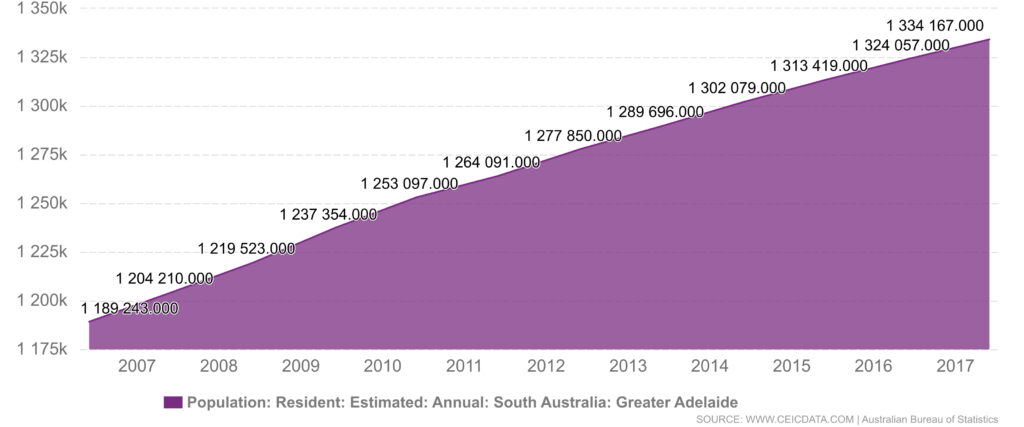
South Australia’s capital combines a relatively compact city centre with beaches to the west, the Adelaide Hills to the east and some of Australia’s best-known wine regions within easy reach. Greater Adelaide had an estimated population of 1.49 million at June 2025, with the population increasing by around 18,600 people during the 2024–25 financial year.
For people relocating from Sydney, Melbourne, Brisbane or elsewhere in Australia, Adelaide can offer a very different pace of life without giving up the infrastructure and employment opportunities expected from a capital city.
But moving to Adelaide is not simply about finding a house and booking a removalist.
The suburb you choose, your commute, housing budget, access to public transport and the type of home you need can all make a significant difference to your experience.
If you’re thinking about moving to Adelaide, this guide covers the key things to understand before you make the move.

Why Are People Moving to Adelaide?
Adelaide appeals to families, professionals, students, first-home buyers, retirees and people relocating from other Australian cities.
Key reasons include:
• A compact and relatively easy-to-navigate metropolitan area
• Access to beaches, parklands and the Adelaide Hills
• A diverse economy with established and emerging industries
• Strong food, wine, arts and cultural scenes
• A dry climate with warm summers and cooler winters
• A growing population and expanding outer suburbs
• Employment opportunities in defence, health, education, technology and advanced manufacturing
• A lifestyle combining city living with easy access to nature
Adelaide’s geography is one of its biggest advantages. You can live close to the CBD, move further into the suburbs for more space, or choose a coastal or hills location while remaining connected to the metropolitan area.
Adelaide’s Population and Growth
ABS data shows Greater Adelaide reached 1,491,015 residents at 30 June 2025, following population growth of 18,647 people over the previous year.
Strong growth has occurred in areas including Munno Para West–Angle Vale, Virginia–Waterloo Corner, Lewiston–Two Wells and Mount Barker.
For someone planning a move, this matters because Adelaide is not one single housing market. The experience of living near the CBD can be very different from living in Adelaide’s northern, southern or eastern growth corridors.
What Does It Cost to Live in Adelaide?
The answer depends heavily on whether you’re renting or buying, your suburb, household size and the amount of space you need.
Adelaide should no longer be viewed as an extremely cheap Australian capital city. Housing costs have risen considerably.
Domain’s June 2026 House Price Report put Adelaide’s median house price at approximately $1.125 million and the median unit price around $629,000. House prices were up 16% year-on-year in the report.
Other datasets produce different medians because methodologies and reporting periods vary. PropTrack’s June 2026 data, for example, put Adelaide’s median dwelling value at approximately $942,000.
This difference is a useful reminder that property prices change quickly. Check current listings and recent suburb-level data rather than relying on one city-wide number.
Renting in Adelaide
Domain’s March 2026 Rental Report recorded Adelaide median weekly rents of approximately $640 for houses and $550 for units. The vacancy rate was just 0.4%, showing that rental supply remained extremely tight.
Prospective renters should research suburbs before arriving, prepare rental application documents, allow for bond and upfront rental costs, compare several suburbs, check peak-hour commute times and consider both houses and units.
Rent in Australia is normally advertised weekly. To estimate a monthly equivalent, multiply the weekly figure by roughly 4.33.
Is Adelaide Still Affordable?
Adelaide can still offer value in some parts of the metropolitan area, but affordability has become more complicated.
Recent research has identified Blair Athol, Valley View and Northfield among Adelaide’s better-value house markets, while Brooklyn Park, Windsor Gardens and the Adelaide CBD offered comparatively lower-priced unit options.
The important point is that affordable Adelaide depends heavily on suburb and property type. A smaller unit close to the city may be more practical than a larger house further out once commuting and transport costs are included.
Adelaide’s Climate
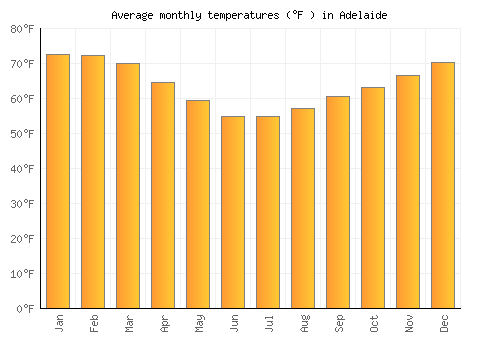
Adelaide has a relatively dry climate with warm to hot summers and cool, wetter winters.
Bureau of Meteorology data for Adelaide Airport shows annual average rainfall of around 547 mm. Average maximum temperatures range from about 28.3°C in January and 15.0°C in July, with a long-term annual mean maximum around 21.6°C.
Summers can be hot and dry, making air conditioning important. Winters are cooler and wetter but generally do not bring prolonged freezing conditions.
The climate also supports Adelaide’s outdoor lifestyle, with beaches, parks, cycling routes, gardens and the Adelaide Hills close to metropolitan areas.
Getting Around Adelaide
Adelaide Metro operates buses, trains and trams across metropolitan Adelaide. Public transport accessibility varies significantly between suburbs.
The CBD also has free public transport options, including city connector buses and trams within the designated free zone.
As of 2026, paper MetroTickets have been retired. Adelaide Metro services accept options including Tap and Pay, the Buy & Go app and metroCARD.
Do You Need a Car in Adelaide?
That depends on where you live.
CBD and inner-suburban residents with good public transport access can often manage many everyday trips without a car.
A car becomes more useful in outer northern and southern suburbs, parts of the Adelaide Hills, areas away from major rail or tram corridors, and jobs requiring travel between locations.
Before choosing a suburb because the rent or house price looks attractive, check your daily commute. A cheaper home can become less attractive if you spend significantly more time and money travelling to work.
Adelaide Airport and Interstate Travel
Adelaide Airport is located only around seven kilometres from Adelaide city, according to South Australia’s official tourism information.
For interstate workers, business travellers and families with relatives elsewhere in Australia, the relatively close airport location can make travel more convenient.
Finding Work After Moving to Adelaide
Adelaide’s economy includes established industries and growing sectors.
Key areas include health and medical services, defence and space, technology, education, food, wine and agriculture, advanced manufacturing and research.
If you’re relocating for work, research your industry before choosing your suburb. Someone working around the CBD may benefit from an inner suburb with public transport, while someone working in defence or advanced manufacturing may have different priorities.
The Best Areas and Suburbs to Consider When Moving to Adelaide
There is no single best suburb in Adelaide. The right choice depends on budget, lifestyle, workplace, family situation and how much you value access to the city, coast or hills.
Adelaide CBD
The CBD suits people who value convenience, walkability, restaurants, shopping, universities and public transport. Living in the city can reduce dependence on a car, although apartments are generally more relevant than detached homes.
North Adelaide
North Adelaide sits immediately north of the CBD and offers restaurants, cafes, parklands, hospitals, education and city amenities. It can appeal to professionals who want suburban character without being far from central Adelaide.
Norwood
Norwood is popular for its lifestyle, cafes, restaurants and proximity to the CBD. It suits people who want an established inner-eastern suburban environment.
Unley and Parkside
Unley and Parkside provide close access to the CBD while offering a more residential environment. They can suit professionals, couples and families looking for established streets and local amenities.
Glenelg
Glenelg is one of Adelaide’s best-known coastal choices, offering beaches, restaurants, cafes, shops and tram access toward the city. It suits people who want metropolitan living with easy beach access.
Adelaide’s Northern Suburbs
The north contains major growth areas and some comparatively affordable housing options. Salisbury, Elizabeth, Munno Para and Angle Vale can appeal to families and buyers prioritising space and affordability. The trade-off can be longer travel times into the CBD.
Adelaide’s Southern Suburbs
The south provides established suburbs, newer developments and coastal communities. Morphett Vale, Christies Beach, Seaford and Hallett Cove can be worth considering depending on budget and lifestyle.
Adelaide Hills
The Adelaide Hills offer a different lifestyle, including Stirling, Hahndorf, Mount Barker, Crafers and Woodside. The region is known for wineries, food producers, leafy towns and cooler-climate landscapes. A car is generally more important if you need to travel regularly into Adelaide.
Choosing an Adelaide Suburb: What Should You Look At?
Before signing a lease or purchasing a home, consider:
1. Commute — How long will it take to reach your workplace?
2. Public transport — Is there a reliable bus, train or tram route nearby?
3. Schools — Research school zones and travel times.
4. Shopping — Check access to supermarkets and essential services.
5. Healthcare — Consider nearby GPs, hospitals and pharmacies.
6. Lifestyle — Decide whether you prefer the beach, CBD, hills, parks or restaurants.
7. Property type — Decide between a house, townhouse, apartment or unit.
8. Future plans — Consider how your needs may change.
Moving to Adelaide From Melbourne
Someone moving from Melbourne may notice hotter and drier summers, a smaller metropolitan footprint, easier access to beaches and wine regions, different housing markets and a different public transport network.
For a Melbourne-to-Adelaide move, plan the logistics early. Consider packing, furniture protection, large-item transportation, moving dates, access at both properties, parking and delivery windows.
Moving to Adelaide From Sydney
A Sydney-to-Adelaide relocation can represent a significant lifestyle change. Adelaide’s metropolitan footprint can feel much more compact.
However, don’t assume Adelaide is automatically inexpensive. Housing prices and rents have increased significantly, so research the specific suburb and property type before deciding.
Moving Your Furniture to Adelaide
Furniture is often one of the most difficult parts of an interstate relocation. Sofas, beds, dining tables, wardrobes and appliances require planning, protective equipment and enough vehicle space.
Create an inventory of larger items and separate furniture, appliances, fragile items, boxes, personal essentials and special-handling items.
For apartments, check lift availability, dimensions, building access, loading zones, stairs, parking restrictions and body corporate requirements.
Practical Tips Before Moving to Adelaide
Start researching suburbs early. Build a realistic moving budget covering the moving service, packing materials, travel, temporary accommodation, rental bond, utilities, storage and cleaning.
Declutter before packing. Measure large furniture and check doorways, staircases and lifts. Book your moving service early during busy periods.
Keep an essentials box containing clothes, toiletries, chargers, important documents, medication, basic kitchen items and cleaning supplies.
Moving to Adelaide With a Family
Families should consider school options, childcare, parks, sporting facilities, shopping, healthcare, commute times, public transport and community facilities.
Outer Adelaide can provide larger homes and newer developments, while inner suburbs can offer better access to established amenities but may have higher property costs.
The best decision usually balances home, work, school and lifestyle rather than maximising one factor.
Moving to Adelaide for Work
If you’re relocating because of a new job, understand where you’ll actually be working before choosing your home.
Defence, health, education, technology and manufacturing have different employment hubs. A suburb that looks affordable may be less attractive after fuel, parking and commuting time are included.
Is Adelaide a Good Place to Live?
For many people, yes. Adelaide combines city, coast, hills, food, wine, employment and lifestyle.
You can live near the CBD, visit the beach or head into the Adelaide Hills without planning an entire weekend around the journey.
However, housing affordability has become a bigger issue, rental supply remains tight and some outer suburbs involve longer commuting times. The key is choosing the right location for your circumstances.
What to Know Before Hiring a Removalist in Adelaide
If you’re searching for removalists in Adelaide, don’t compare companies only on price.
Ask whether the service is insured, whether furniture and interstate moves are handled, how furniture is protected, whether stairs and access charges are included, what vehicle size is used, whether the quote is fixed or estimated, whether packing or storage is available, and how delivery times are communicated.
A cheap quote isn’t always the cheapest move if additional fees appear later or furniture is not handled properly.
Moving to Adelaide: A Simple Checklist
4–8 Weeks Before
• Choose your suburb
• Secure your new home
• Confirm your moving date
• Book your moving service
• Start decluttering
• Begin packing non-essential items
• Arrange utilities
2–3 Weeks Before
• Confirm access at both properties
• Arrange parking if required
• Confirm lift bookings
• Pack most household items
• Organise important documents
• Update your address
One Week Before
• Finish most packing
• Separate essential items
• Confirm moving arrangements
• Clean your current property
• Check weather conditions
• Prepare travel plans
Moving Day
• Keep important documents with you
• Protect valuable personal items
• Check furniture before loading
• Keep essentials accessible
• Confirm delivery instructions
• Complete a final inspection
After Arrival
• Check furniture
• Unpack essential rooms
• Connect utilities
• Update your address
• Explore your neighbourhood
• Learn nearby services and transport options
Final Thoughts: Is Moving to Adelaide Right for You?
Adelaide offers a compelling combination of metropolitan opportunities and a lifestyle that can feel less overwhelming than Australia’s largest cities.
Greater Adelaide is growing, with the metropolitan population reaching around 1.49 million in 2025.
At the same time, the city’s housing market has changed significantly. Current rental and property data shows strong demand, limited rental supply and substantial property price growth.
The good news is that Adelaide offers a wide variety of lifestyles. You can choose an inner-city apartment, an established eastern suburb, a coastal home, a family-oriented northern or southern suburb, or a quieter Adelaide Hills location.
Consider housing costs, commute, transport, schools, employment, lifestyle and long-term plans together.
If you’re relocating from another state, give yourself enough time to plan the actual move. From packing and furniture protection to access requirements and interstate transportation, good preparation can turn a stressful relocation into a smoother transition.
Moving to Adelaide isn’t just about changing your address. It’s about choosing the right part of the city for the life you want to build.