

Not all boxes are built the same, and using the wrong one is one of the easiest ways to end up with a broken back, a broken dish, or both. Whether you’re packing for a house move, an office relocation, or getting bulky freight ready for pickup, matching the right box size to the right item makes everything downstream — lifting, stacking, transporting — noticeably easier and safer. This guide breaks down the standard Australian moving box sizes, when to use each one, and where specialty boxes earn their place.
Why Moving Box Sizes Actually Matter
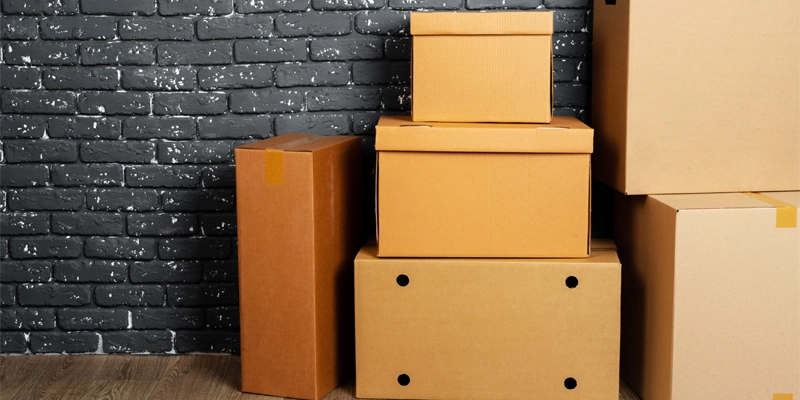
It’s tempting to think bigger is always better — more room means less packing, right? In practice, the opposite is usually true. A box that’s too big for what you’re packing either ends up half-empty (items shift and get damaged in transit) or dangerously overloaded (a large box stuffed with heavy items becomes a two-person lift, or worse, a box whose bottom gives way mid-carry). The right box size distributes weight sensibly, protects contents properly, and keeps the whole packing and loading process faster and safer.
Standard Moving Box Sizes at a Glance
| Box Type | Approx. Dimensions | Volume | Best For |
| Small (Book box) | 400 x 300 x 330 mm | ~40L | Books, tools, canned goods |
| Medium (Standard carton) | 406 x 298 x 431 mm | ~52L | Kitchenware, clothing, general items |
| Large (Tea chest) | 431 x 406 x 596 mm | ~104L | Bedding, cushions, lightweight bulky items |
Small Box Sizes: The Underrated Workhorse
Small boxes — sometimes called book boxes — are the smallest standard size, but they’re arguably the most important box in your packing kit. Their real job isn’t packing small items; it’s packing heavy, dense items in a container that stays liftable. A box this size can typically hold up to around 27kg before the cardboard is under real strain, and because the footprint is compact, even a fully loaded small box remains manageable for one person to carry, stack, and carry up or down stairs.
The core rule of thumb: if it’s small and heavy, it belongs in a small box — never a large one. Books, tools, canned pantry goods, DVDs and CDs, small kitchen appliances (toasters, kettles), and hardware all fall into this category. Packing these same items into a large box seems efficient until you try to lift it — a large box full of books can easily exceed safe single-person lifting weight, and the box itself often isn’t rated to hold that concentrated weight over its larger base.
- Best for: books, tools, canned goods, small appliances, hardware, CDs/DVDs
- Typical max weight: ~27kg
- Packing tip: wrap fragile small items individually in packing paper before placing them among heavier items

Medium Box Sizes: The All-Rounder
Medium boxes — often just called standard cartons — are the size most movers reach for by default, and for good reason. They strike the balance small boxes and large boxes can’t: enough room for a genuine variety of household items, without becoming unmanageably heavy or bulky. This is the box you’ll use most, by volume, across almost any move.
Kitchenware fits particularly well here — pots, pans, and small appliances like blenders or coffee machines pack neatly without pushing the box past a comfortable carrying weight. Clothing, linen, children’s toys, and general household items also suit this size well. If you’re not sure which box to use for something, medium is usually the safer default over large.
- Best for: kitchenware, small appliances, clothing, linen, toys, general household items
- Packing tip: distribute weight across several medium boxes rather than filling one to the brim

Large Box Sizes: For Bulky, Lightweight Items
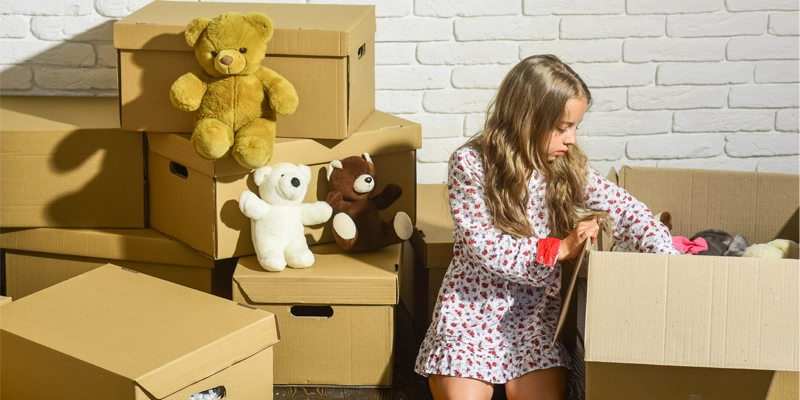
Large boxes (sometimes called tea chests) hold roughly the volume of two and a half small boxes, and they’re built for one specific job: packing things that take up a lot of space but don’t weigh very much. Bedding, doonas, pillows, soft toys, and lampshades are the classic use case — items that would be wasteful to pack in multiple smaller boxes, but that genuinely don’t add much weight even when a large box is full of them.
The mistake to avoid: never treat a large box as a bigger version of a medium box for heavy items. A large box packed with books or kitchenware becomes extremely heavy, hard to lift safely, and puts real strain on the box’s structural integrity. Reserve large boxes strictly for bulky-but-light contents.
- Best for: doonas, pillows, blankets, lampshades, soft toys, decorative cushions
- Avoid packing: books, kitchenware, tools, or anything dense and heavy
Specialty Moving Box Sizes and When You Need One
Beyond the three standard sizes, a handful of purpose-built boxes exist because certain items genuinely don’t pack well into a generic carton. These aren’t necessary for every move, but for the right item, they make a real difference to how well it survives the trip.
Picture and Mirror Boxes
Tall, narrow, and flat, these boxes are built specifically for framed artwork and mirrors. Adding corner protectors inside significantly reduces the risk of cracked glass or a dented frame corner — one of the most common types of moving damage for flat, fragile items.
Crockery Boxes (Dish Packs)
Built with internal cell dividers, crockery boxes keep plates, bowls, and glassware separated so they don’t knock against each other during transit. This is genuinely one of the highest-value specialty boxes if you have a full kitchen’s worth of breakables to move.
Port-a-Robe Boxes
A tall box with a built-in hanging rail, letting you transfer clothes straight from your wardrobe without folding them. Useful for anyone with a significant hanging-clothes collection, and genuinely one of the bigger time-savers on this list.
Flat TV Boxes
Wide, thin, double-walled boxes designed to fit flat-screen TVs snugly, protecting the screen from pressure or impact. Standard sizes typically suit TVs up to around 60 inches; larger screens may need a custom-sized box.
Archive Boxes
Smaller, lidded boxes designed for document storage — useful for both home offices and business relocations where paperwork, files, and records need to travel securely and stay easy to label and retrieve.
Wine Boxes
Fitted with cardboard dividers, wine boxes keep bottles from touching each other, preventing chips and breaks. A small but worthwhile specialty box if you’re moving any meaningful wine collection.
Moving Box Packing Tips Worth Following
- Match the box to the item — dense and heavy goes small, bulky and light goes large
- Use double-walled boxes for anything with real weight
- Never leave empty space in a box — loose items shift and are more likely to break
- Label every box on more than one side, and mark fragile items clearly
- Seal boxes properly so they stack securely without bulging
- Keep an inventory or numbering system for easier tracking on move day
Reusing and Recycling Moving Boxes
Good-quality moving boxes don’t need to be single-use. Once unpacked, flatten boxes and store them somewhere dry to prevent warping. Sturdy boxes are genuinely useful for ongoing storage — archive boxes for documents, linen flat-packs for bedding, standard cartons for anything sitting in a garage or storage unit. If you don’t plan to reuse them yourself, passing them on to someone else who’s moving (or listing them free online) keeps them out of landfill for a bit longer. When a box has finally reached the end of its useful life, cardboard is broadly recyclable — check what your local council accepts for large volumes.
Moving Box Sizes: Frequently Asked Questions
What size box should I use for books?
Small boxes. Books are dense and heavy, and a small box keeps the weight manageable for a single person to lift safely.
Can I use a large box for kitchenware?
It’s not recommended. Kitchenware is heavy enough that a large box packed full of it becomes difficult and unsafe to lift — a medium or small box is the better fit.
Do I really need specialty boxes, or will standard boxes work?
For most items, standard boxes work fine. Specialty boxes earn their cost for genuinely fragile or awkward items — mirrors, TVs, crockery, and hanging clothes — where the right box meaningfully reduces the risk of damage.
Final Thoughts on Moving Box Sizes
Getting box sizes right isn’t about following an arbitrary rule — it’s about matching the box to what’s actually going inside it. Small boxes for heavy and dense, medium boxes for everyday variety, large boxes for bulky and light, and specialty boxes for the handful of items that genuinely need extra protection. Get that matching right, and the rest of moving day — lifting, stacking, loading — gets noticeably easier.