
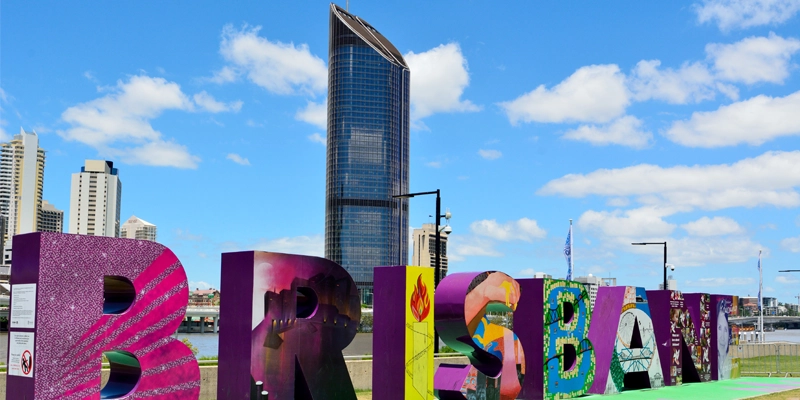
Brisbane has quietly become one of the most talked-about cities in Australia to move to. It’s Queensland’s capital, sits on the Brisbane River, and has a mix of warm weather, a growing economy, and a slower pace of life than Sydney or Melbourne. If you’re weighing up a move here, this guide covers the practical things worth knowing first.
Why People Are Moving to Brisbane
Brisbane is Australia’s third-largest city, with a metro population of roughly 2.5 million and a wider South East Queensland region home to over 4 million people. It’s one of the fastest-growing capital cities in the country, and a few reasons keep coming up for why people choose it:
- A warmer, sunnier climate than the southern capitals, with mild winters
- Generally lower housing costs than Sydney or Melbourne, though prices have been rising
- A strong and growing job market, particularly in healthcare, construction, and technology
- Easy access to the coast, the Gold Coast and Sunshine Coast are both under an hour away
- A slower, more relaxed pace of life without giving up big-city amenities
| Number of people living in Queensland | 5,156,138 |
| Number of families | 1,366,657 |
| Median Age | 38 |
| Number of private dwellings | 2,190,424 |
| Average number of people per household | 2.5 |
| Median weekly household income | $1,675 |
| Number of people attending an education institution | 1,245,055 |
| People who travel to work by car | 65.4% |
| People who travel to work by public transport | 4.1% |
| Unemployed rate | 5.4% |
Source: Australian Bureau of Statistics Census 2021
Cost of Living in Brisbane
Brisbane is still cheaper to live in than Sydney or Melbourne, but it’s no longer the budget option it was a decade ago. Housing is the biggest cost, followed by everyday expenses like groceries, transport, and utilities. A single person’s monthly living costs (excluding rent) typically sit in the low-to-mid thousands, with a family of four needing considerably more. Rent varies a lot by suburb, inner-city areas like New Farm or Teneriffe command a premium, while outer suburbs and satellite areas offer more affordable options with a longer commute.
Before committing to a suburb, it’s worth comparing rent or purchase prices against your commute time and lifestyle needs, Brisbane’s growth corridors (south, west, and toward Moreton Bay) tend to offer better value than the inner city.
The Brisbane Job Market
Brisbane’s economy has diversified well beyond its traditional resources-and-agriculture base. Healthcare, construction, technology, and logistics are all active hiring sectors right now, partly driven by the city’s ongoing population growth and infrastructure investment ahead of the 2032 Olympics. If you’re relocating for work, it’s worth researching your specific industry’s presence in Brisbane before the move, some sectors (like logistics and industrial services) are expanding quickly on the city’s fringes, not just in the CBD.
Climate and Lifestyle
Brisbane has a humid subtropical climate, warm, sometimes very hot summers, and mild, dry winters that rarely dip below the low teens. Most residents describe the lifestyle as outdoor-focused: weekends built around the river, parks, and nearby beaches rather than indoor entertainment. The city has a growing food and café scene, a strong live music culture, and enough greenery that it doesn’t always feel like a capital city.
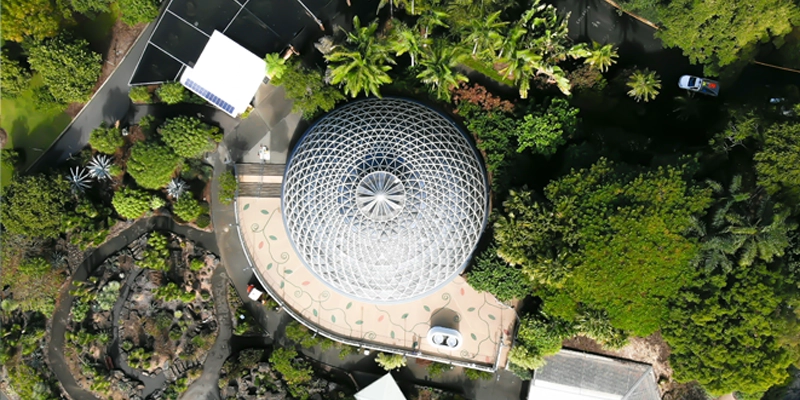
Aerial view of Mount Coot Tha Botanic Gardens & surrounds
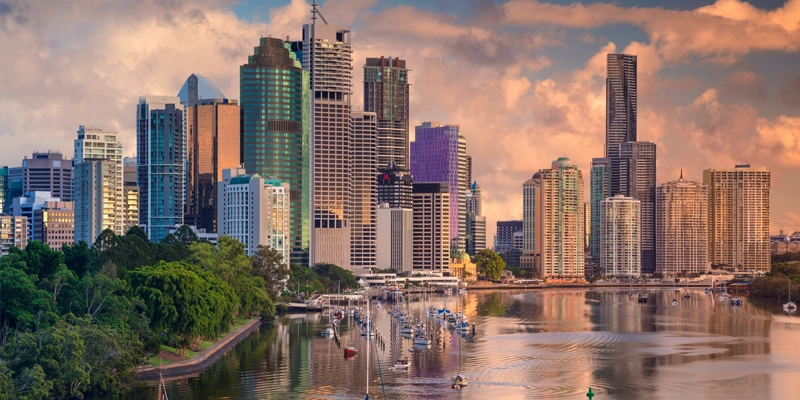
Nestled along the winding Brisbane River under the Queensland sun lies Brisbane, a city that harmoniously blends urban sophistication with a relaxed, outdoor lifestyle. It’s a place where the natural world is always within reach, offering its residents a picturesque backdrop to their daily lives. The city’s pride, Mount Coot-tha, stands regally, affording breathtaking panoramic views that stretch from the city’s skyline to the distant blue of Moreton Bay. The river itself is a hub of activity, lined with walking paths and parks, and dotted with the famous CityCat ferries that have become a symbol of the city’s easy-going yet dynamic character.
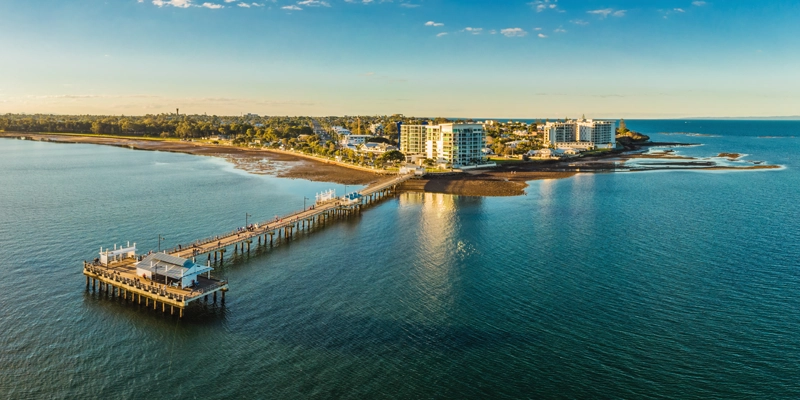
Famous Woody Point Jetty, Moreton Bay on Redcliffe
Choosing a Neighbourhood
Brisbane’s suburbs each have a distinct character, and picking the right one matters as much as picking the right city. A few starting points:
- New Farm and Teneriffe — riverside, leafy, close to the CBD, but priced accordingly
- West End — known for its arts and café culture, popular with a younger crowd
- South Bank and the Inner South — central, walkable, close to parklands and the CBD
- Outer growth suburbs (south, west, and toward Moreton Bay) — more affordable, better for families needing space, longer commute into the city
Getting Around After Moving to Brisbane
Brisbane’s public transport network covers buses, trains, ferries, and the CityCat river service, connecting most suburbs to the CBD. That said, most residents outside the inner city still rely on a car for day-to-day life, especially in the growing outer suburbs where public transport coverage is thinner.
A Few Practical Tips Before Moving to Brisbane
- Visit the suburb you’re considering at different times of day before committing, traffic and atmosphere can vary a lot
- Factor commute time into your budget, not just rent, outer suburbs save on housing but can cost more in time and transport
- If you’re relocating for work, confirm your industry’s presence in Brisbane specifically, not just Queensland broadly
- Book removalists or delivery services well ahead of peak moving periods (typically summer, over the December–February window)
Final Thoughts on Moving to Brisbane
Brisbane offers a genuine alternative to Sydney and Melbourne, warmer weather, a lower cost of living (for now), and a lifestyle built around the outdoors. Like any move, the details matter: picking the right suburb, understanding the real cost of your commute, and timing your relocation around the city’s busiest moving season will make the biggest difference to how smooth the transition feels.